
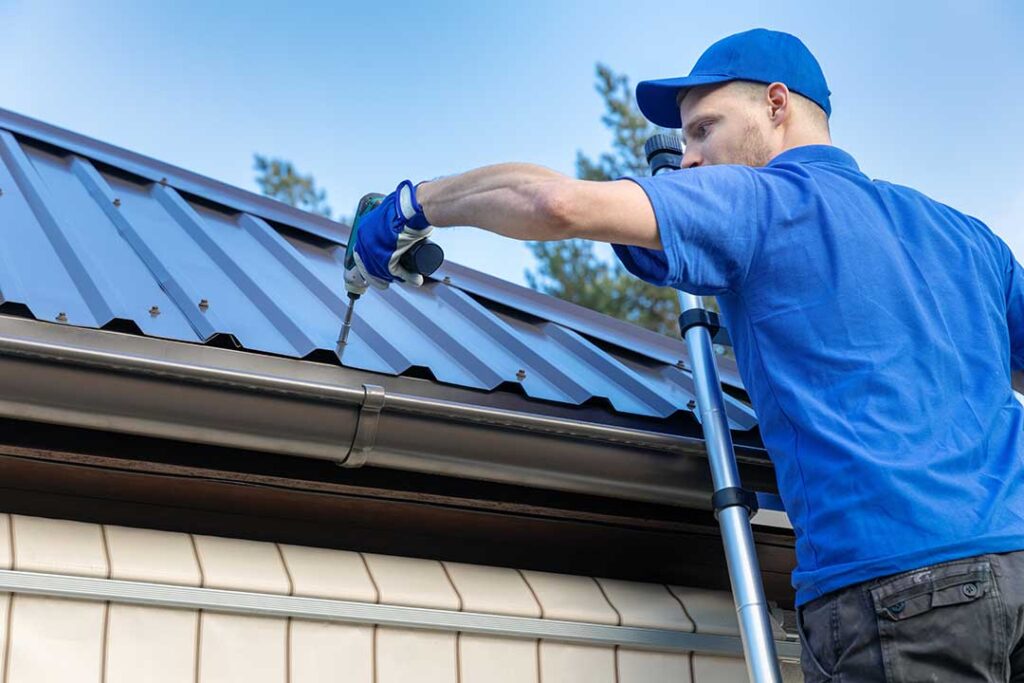
Tree limbs are a familiar part of residential life in Waterloo, NY, where mature trees, wooded lots, and seasonal storms can all affect roof condition. A branch does not have to crash through the roof to cause trouble. Repeated rubbing, trapped moisture, falling debris, and hidden structural damage can shorten the life of roofing materials.
Understanding the most common risks helps residents recognize problems early and decide when a situation is safe to monitor and when it requires immediate attention.
How can tree limbs damage a roof?
Tree limbs can damage a roof through impact, abrasion, moisture retention, and excess weight. The severity depends on the branch’s size, height, condition, and location above the roof.
A large limb falling during a windstorm may break shingles, puncture underlayment, damage roof decking, or strike flashing around chimneys and vents. Smaller branches may create less obvious problems:
- Twigs can scrape away protective granules from asphalt shingles.
- Bark and debris can collect in valleys and around roof penetrations.
- Branches can block sunlight and slow roof drying after rain or snow.
- Repeated movement can loosen shingles or expose their edges.
- Heavy limbs can place pressure on roof sections even without breaking.
A roof may appear intact from the ground while still having cracked shingles, displaced flashing, or damaged decking underneath.
Why are rubbing branches a problem?
Branches that repeatedly touch the roof can wear down the surface over time. Wind causes the limb to move back and forth, allowing rough bark or smaller twigs to scrape against shingles.
This friction may remove the mineral granules that protect asphalt shingles from sunlight and weather. Once those granules are lost, the exposed material can age more quickly and become more vulnerable to cracking. Rubbing can also lift shingle edges, disturb seal strips, or create small openings where water can enter.
The risk is greater when a branch rests on the roof continuously. Even a relatively light limb can cause damage if it remains in contact for months or years.
Can leaves and branches cause leaks without puncturing shingles?
Yes. Roof leaks do not always begin with a visible hole. Leaves, needles, and small branches can collect in valleys, behind chimneys, and around plumbing vents. These areas may hold moisture against the roofing materials and interfere with normal drainage.
Organic debris can also wash into gutters and downspouts, causing water to back up along the roof edge. During freezing weather, trapped moisture may expand and contribute to cracked materials or ice-related drainage problems.
A roof that leaks only during heavy rain or snowmelt may have a drainage issue rather than a single obvious puncture. Water can travel beneath shingles before appearing on a ceiling or wall, so the visible stain may be several feet away from the original entry point.
Which parts of the roof are most vulnerable?
Some roof features are more likely to suffer damage from nearby trees than others.
Roof edges and eaves can be affected by falling branches and clogged gutters. Water may overflow if debris blocks the drainage path.
Roof valleys concentrate runoff and commonly collect leaves, twigs, and small branches. Persistent debris in a valley can increase the chance of water backing up beneath shingles.
Chimneys, skylights, and vents have flashing that depends on tight seals. A falling limb can bend or crack this metal even if the surrounding shingles look undisturbed.
Low-slope roof sections may drain more slowly and remain wet longer when covered by debris.
Older roofing materials may be less flexible and more likely to crack or break under impact, especially after repeated freeze-and-thaw cycles.
How do Waterloo’s seasons affect tree-related roof damage?
Seasonal weather can change the way tree limbs affect a roof. Winter snow and ice add weight to branches that may already be weak or partially damaged. A limb that appears stable in dry weather may bend or fail after accumulating snow.
Spring storms can bring strong wind and saturated ground. Wet soil may reduce a tree’s stability, while new foliage increases wind resistance. Summer thunderstorms can produce sudden gusts, lightning damage, and heavy rainfall that exposes drainage problems.
Autumn brings falling leaves and dead branches. Debris may build up before winter, when freezing temperatures make roof access more hazardous and allow blocked drainage to become a larger problem.
Homes near mature trees, wooded property lines, or older plantings may need closer observation during these seasonal changes.
What warning signs should residents look for?
Some signs are visible from the ground, while others appear inside the home. Warning signs include:
- Shingles that are cracked, lifted, missing, or unusually worn in one area
- Fresh scratches or exposed patches where a branch has rubbed
- Broken or bent metal flashing
- Sagging gutters or detached gutter sections
- Piles of leaves and branches collecting in valleys
- Damp attic insulation, dark roof decking, or daylight visible through the roof
- Water stains on ceilings or upper walls
- Peeling paint, bubbling drywall, or musty odors after a storm
- New leaks that appear during wind-driven rain
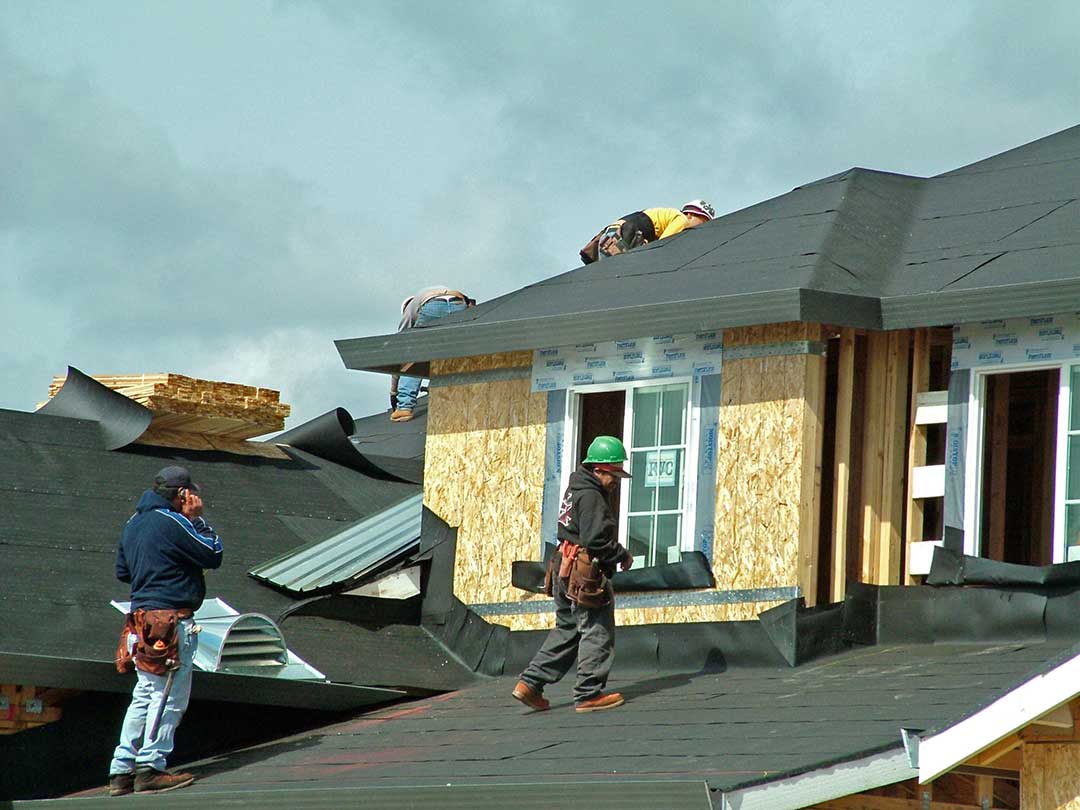
A single small stain does not always reveal the full extent of the damage. Moisture may remain hidden in insulation or wood framing, particularly when a leak is intermittent.
Is it safe to remove a branch from the roof?
Safety depends on the branch’s size, position, and relationship to utility lines or roof structures. A small loose twig on a low, accessible roof may be harmless to remove carefully, but climbing onto a wet, icy, steep, or damaged roof creates fall and structural risks.
A large limb should not be pulled, cut, or dragged across shingles. It may be under tension, attached to a damaged tree, or supporting part of a roof assembly. Cutting it incorrectly can cause additional impact or personal injury.
Extra caution is necessary when branches are near electrical lines, chimneys, skylights, or visibly sagging roof areas. These conditions may require assistance from qualified tree or roofing personnel because the hazard involves more than routine roof maintenance.
What should happen after a limb falls?
After a significant branch strike, first keep people away from the affected area and look for immediate hazards. Do not enter an attic or upper floor if the ceiling is sagging, water is actively entering near electrical fixtures, or structural damage is visible.
From a safe location, document the damage with photographs. If water is entering, place containers beneath drips only where it is safe to do so, and move belongings away from the affected area. Temporary covering may reduce additional exposure, but it should not require walking on an unstable roof.
Once the immediate hazard is controlled, the roof should be checked for damaged shingles, decking, flashing, gutters, attic moisture, and hidden structural problems. A tree that lost one limb may also contain additional weak branches, especially after a major storm.
Can pruning prevent roof damage?
Strategic pruning can reduce contact between trees and roofing materials, but it should be done with the tree’s health and surrounding hazards in mind. Branches that overhang a roof, touch shingles, or block gutters deserve particular attention.
Pruning is not the same as removing every branch near a house. Excessive cutting can weaken a tree, encourage decay, or create unstable growth. Dead, cracked, hanging, or heavily leaning limbs deserve prompt attention, especially before winter storms or periods of high wind.
Keeping gutters and roof valleys clear also reduces the secondary damage caused by leaves and small branches. However, cleaning should be postponed when roof surfaces are icy, dangerously wet, or visibly damaged.
Tree limbs may cause sudden impact damage, but many roof problems develop gradually through rubbing, moisture, and blocked drainage. Regular visual checks from the ground, especially after wind, heavy snow, or thunderstorms, can reveal trouble before a minor problem becomes an interior leak.
