
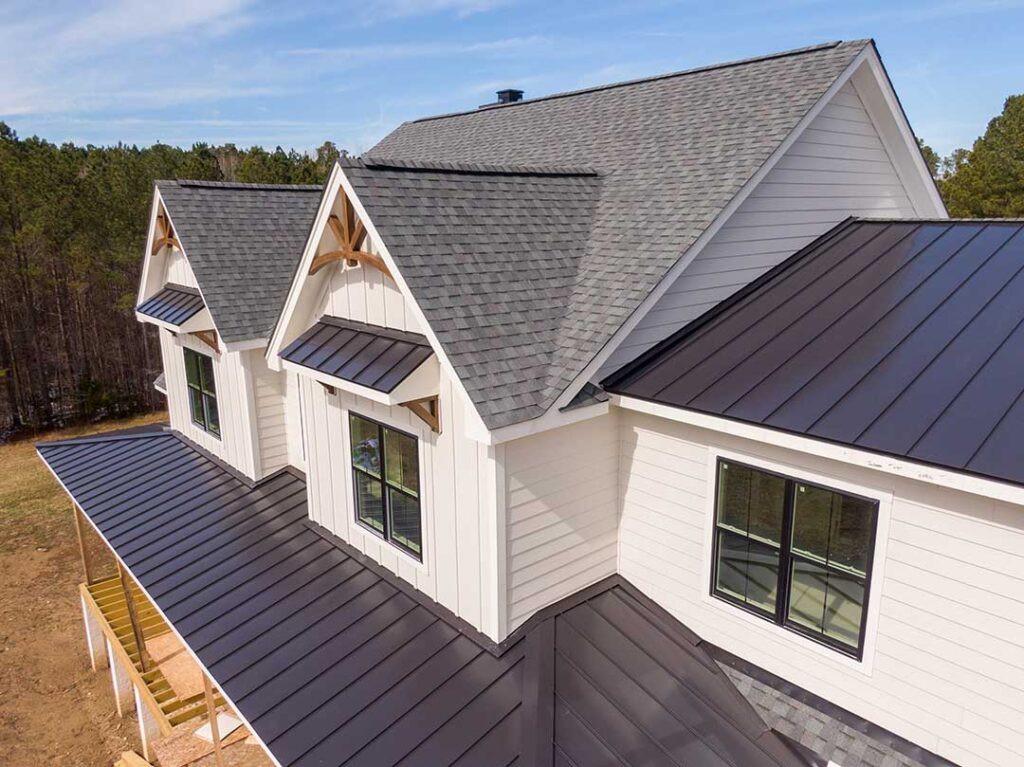
Before freezing temperatures arrive, a roof should be checked for water-shedding problems, blocked drainage, weak flashing, and ventilation concerns. Preparing early helps reduce the risk of ice dams, wind damage, interior leaks, and emergency repairs during the winter season.
What should be checked before winter?
A pre-winter roof check should focus on the parts most affected by snow, ice, wind, and repeated freezing and thawing. Start from the ground, then inspect accessible areas from inside the home. Do not climb onto a roof that is wet, icy, steep, or difficult to access safely.
From the ground, look for:
- Missing, cracked, curled, or visibly loose shingles
- Dark patches or areas that appear uneven
- Sagging along the roofline
- Damaged chimney caps, vents, or roof flashing
- Gutters pulling away from the fascia
- Downspouts that are disconnected or blocked
- Tree branches resting on or hanging over the roof
In a community where winter weather can shift quickly between rain, snow, and freezing temperatures, small openings can become larger problems. Water may enter through a damaged shingle or flashing joint, freeze overnight, and expand inside the roofing materials.
How should gutters and downspouts be prepared?
Clean gutters and downspouts before regular snow and ice accumulation begins. Leaves, twigs, and roof granules can restrict drainage, allowing water to collect at the roof edge and freeze.
A practical gutter check includes:
- Removing leaves and sediment from the channels
- Flushing downspouts with water, if temperatures allow
- Confirming that downspouts discharge away from the foundation
- Checking for loose fasteners, sagging sections, and open seams
- Making sure water is not spilling behind the gutter
Gutters do not prevent ice dams by themselves, but clear drainage gives melting snow a better path away from the roof. Downspouts should also remain visible and accessible after snow removal. If a downspout empties directly beside the foundation, winter runoff can contribute to basement moisture or frozen ground near the building.
What causes ice dams, and how can they be reduced?
Ice dams form when heat escapes into the attic and warms the underside of the roof. Snow melts on the warmer upper roof surface, flows toward the colder eaves, and refreezes along the roof edge. The resulting ice buildup can hold water against shingles and flashing.
The most effective prevention begins in the attic rather than on the roof surface. Before winter, check for:
- Inadequate insulation over heated rooms
- Air leaks around ceiling fixtures, attic hatches, chimneys, and plumbing penetrations
- Blocked soffit vents
- Missing or damaged baffles
- Bathroom or kitchen exhaust ducts releasing moist air into the attic
Roof ventilation should allow air to enter near the eaves and leave near the upper portion of the roof. Ventilation alone cannot correct major insulation or air-sealing problems, and adding vents without a balanced airflow plan may not solve the cause.
Do not chip away ice dams with a hammer or shovel. That can damage shingles, flashing, gutters, and the roof deck. Chemical deicers can also corrode metal components or harm nearby landscaping. If ice is already creating a leak or a heavy, dangerous buildup, the condition requires careful handling because both the roof and the person attempting the removal may be at risk.
How can attic inspections reveal roof problems?
The attic often shows water entry before stains appear on finished ceilings. On a dry day, use a flashlight to look along the underside of the roof deck, around valleys, near chimneys, and where plumbing or ventilation penetrates the roof.
Warning signs include:
- Damp insulation
- Water stains or darkened wood
- Frost on nails or roof sheathing
- Musty odors
- Mold-like growth
- Rust around metal fasteners
- Daylight visible through areas that should be sealed
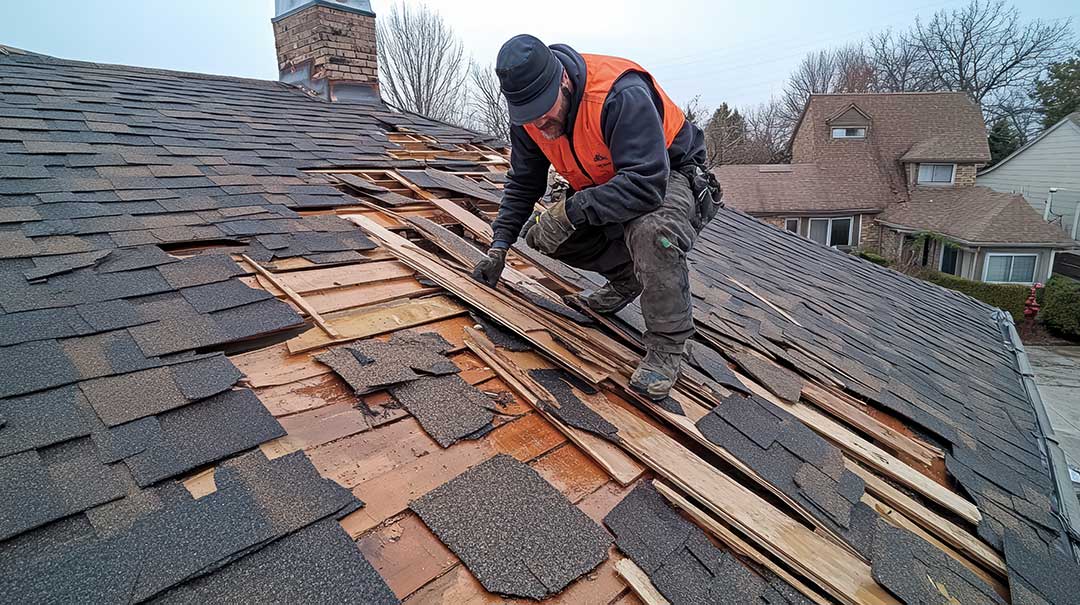
Frost in an attic does not necessarily mean the roof itself is leaking. It can indicate warm, humid indoor air reaching a cold surface. When the frost melts, the resulting moisture may look like a roof leak. Bathroom fans should vent outdoors, not into the attic, and attic access covers should fit tightly.
Should tree branches be trimmed before snow arrives?
Branches that touch or hang heavily over a roof deserve attention before winter storms. Snow and ice add weight, while wind can cause branches to scrape shingles, break roof vents, or fall across the roof.
Only low, easily reached branches should be handled by a homeowner using appropriate tools and stable footing. Do not climb onto a roof to trim branches, and avoid working near utility lines. Large limbs, unstable trees, and branches over structures present a fall and impact hazard.
Removing debris from the roof is also useful, but walking on shingles can cause damage, especially when the materials are cold and brittle. A roof rake may help with limited snow removal from the ground, but it should be used cautiously and according to its design.
What roof materials need special attention in cold weather?
Older asphalt shingles may become brittle and lose granules as they age. Look for exposed underlayment, bald patches, cracked seal strips, or shingles that no longer lie flat. Repairs made during cold weather may not seal in the same way as repairs made in moderate temperatures.
Metal flashing around chimneys, skylights, walls, and vent pipes deserves close inspection because it handles many changes in temperature. Sealant that has shrunk, cracked, or separated may allow wind-driven rain and melting snow to enter.
Flat or low-slope roof sections should be checked for standing water, blocked drains, and membrane damage. These areas do not shed snow and rain in the same way as steeper roof planes, so drainage problems can become more serious during freeze-thaw cycles.
How can snow be managed safely?
Most residential roofs are designed to carry expected seasonal loads, but snow should not be treated as harmless. Heavy, wet snow weighs more than light powder, and uneven piles can place stress on roof framing.
Watch for:
- New or worsening ceiling cracks
- Doors or windows that suddenly stick
- Sagging rooflines
- Unusual popping or creaking sounds
- Interior leaks during or after a storm
Do not stand beneath roof edges where snow or ice may slide. Keep children and pets away from areas with icicles or overhanging snow. Snow removal from a roof can be hazardous because of falls, hidden ice, electrical hazards, and damage caused by improper tools. Conditions involving structural sagging, severe ice buildup, or active leaks should be treated as safety concerns rather than routine maintenance.
What should be done after a winter storm?
After strong wind, heavy snow, or rapid thawing, inspect the roof from the ground and check the attic and upper ceilings for changes. Look for displaced shingles, fallen branches, damaged vents, and water stains.
If a leak appears, place a container under the drip and move belongings away from the affected area. Avoid making roof repairs during icy or windy conditions. Temporary protection may be needed if water is entering the home, but materials should not be fastened into a roof without understanding where the damage is located.
Preparing before winter is generally safer than reacting during a storm. A careful inspection of the roof surface, attic, drainage system, insulation, and nearby trees can identify many problems while they are still manageable.
