
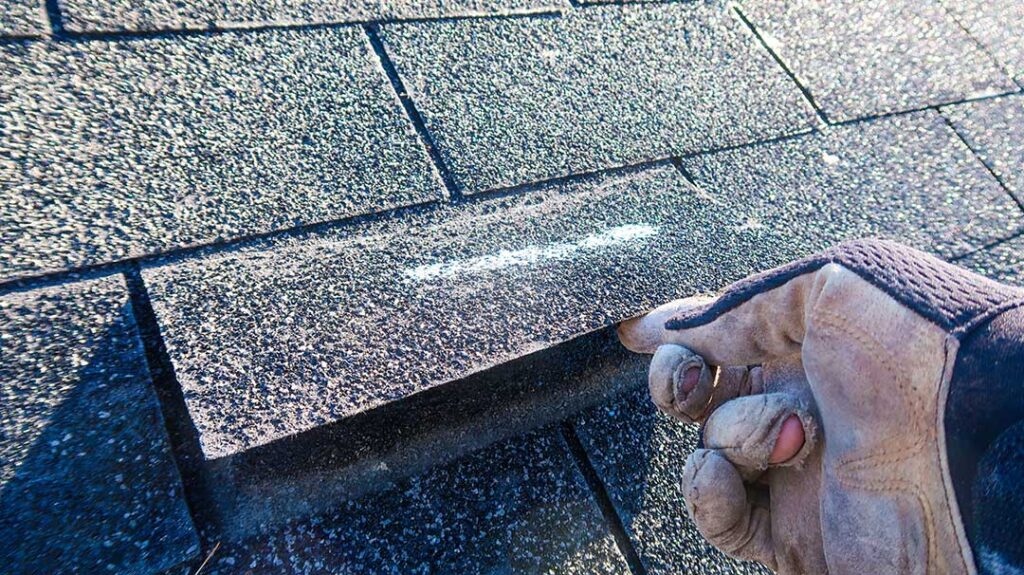
Roof warranties can look simple until a leak, wind event, or installation problem raises questions about what is actually covered. For homeowners in Waterloo, NY, the most useful approach is to identify the type of warranty, understand its limits, and keep records that may be required for a claim.
A warranty is not the same as insurance, a guarantee against every roof problem, or a promise that the roof will never need maintenance. It is a written agreement with specific conditions, exclusions, and time limits.
What does a roof warranty cover?
A roof warranty generally covers either the roofing materials, the installation work, or both. The exact protection depends on who issued the warranty and what caused the problem.
Most warranties fall into three categories:
- Manufacturer’s material warranty: Covers defects in shingles or other roofing products.
- Installer’s workmanship warranty: Covers errors in installation, such as improper fastening or flashing placement.
- Extended or enhanced warranty: May combine material and workmanship coverage, but usually has additional eligibility requirements.
A material warranty may apply if shingles crack, blister, or fail prematurely because of a manufacturing defect. It usually does not cover damage caused by hail, falling branches, poor ventilation, improper maintenance, or severe weather unless the document specifically says otherwise.
A workmanship warranty is focused on how the roof was installed. If a flashing detail was installed incorrectly and rain enters through that area, workmanship coverage may apply. If the roof is damaged by a fallen tree, that is generally a separate insurance issue rather than a workmanship claim.
Are roof leaks covered by a warranty?
A leak may be covered, but the presence of a leak alone does not determine coverage. The cause matters.
For example, coverage may be possible if the leak results from:
- A defective roofing product
- Missing or improperly installed flashing
- Incorrect fastening
- An installation error around a vent, chimney, skylight, or roof edge
- Premature product failure within the stated warranty period
Coverage may be denied if the leak results from:
- Storm damage
- Ice-related damage
- Animal activity
- Neglected maintenance
- Condensation or indoor moisture
- Structural movement
- An unapproved repair or alteration
- A roof system installed over an unsuitable surface
In the region’s freeze-thaw climate, water can enter small openings and expand as it freezes. That pattern does not automatically mean the warranty applies. The agreement may distinguish between a defective installation and damage caused by ice, snow, or weather exposure.
What is the difference between a roof warranty and homeowners insurance?
A roof warranty addresses certain defects in materials or installation. Homeowners insurance generally addresses sudden, accidental damage from covered events, subject to the policy’s deductible, limits, and exclusions.
A simplified comparison looks like this:
- Warranty: “Did the product fail or was the roof installed incorrectly?”
- Insurance: “Was the roof damaged by a covered event?”
- Maintenance: “Was the roof kept in serviceable condition?”
A windstorm that removes shingles may be an insurance matter. Shingles that deteriorate unusually early because of a product defect may fall under a manufacturer’s warranty. A leak caused by incorrectly installed flashing may involve a workmanship warranty.
Responsibility can overlap. If a storm damages a roof and a previous installation issue contributes to the leak, the insurance company and warranty provider may evaluate different portions of the problem.
How long do roof warranties last?
Warranty periods vary widely. Some material warranties last for a stated number of years, while others use limited lifetime language. A workmanship warranty may last for a shorter period, such as a few years, although terms differ by agreement.
The length of the warranty is only one part of the protection. Many warranties:
- Provide full coverage for an initial period, followed by reduced or prorated coverage
- Cover replacement materials but not labor
- Require proof of purchase or installation
- Apply only to the original property owner
- Become void if the roof is altered
- Require timely notice after a defect is discovered
- Exclude costs related to interior damage
“Lifetime” also requires careful reading. In many warranty documents, it refers to the expected service life under stated conditions, not an unlimited promise that lasts as long as the owner remains in the home.
What can void or limit a roof warranty?
A warranty can be limited by actions taken after installation or by conditions that were outside the original agreement. Homeowners should review the exclusions before assuming protection is lost.
Common issues include:
- Installing new roofing over an unacceptable existing surface
- Using incompatible materials
- Adding equipment or making penetrations without following warranty requirements
- Failing to maintain drainage, flashing, or roof-mounted components
- Allowing moss, debris, or standing water to remain for long periods
- Making repairs with unapproved materials
- Failing to report a suspected defect promptly
- Transferring ownership without completing required paperwork
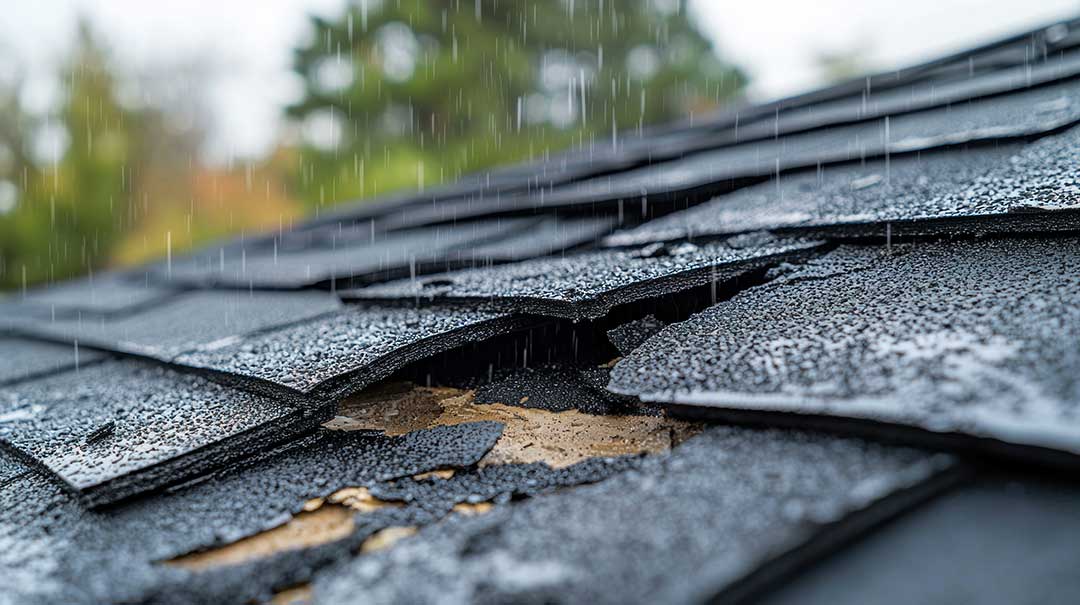
Snow, ice, and repeated temperature changes can make maintenance especially relevant in Waterloo. Gutters, roof edges, flashing, and attic ventilation should be observed periodically, particularly after winter weather and strong storms. Maintenance does not mean attempting hazardous roof work. It means identifying visible concerns, keeping records, and addressing conditions before they become more extensive.
What documents should homeowners keep?
Warranty claims are easier to evaluate when the roof’s history is documented. Useful records include:
- The original contract and scope of work
- Product names and installation dates
- Warranty certificates
- Invoices and proof of payment
- Photos taken before and after installation
- Records of repairs or roof penetrations
- Inspection reports
- Written communication about previous concerns
The contract is especially important because it may define responsibilities not explained in a short warranty certificate. It may also identify whether ventilation improvements, flashing replacement, tear-off, deck repairs, or disposal were included in the work.
If a roof is sold with the home, warranty transfer rules should be reviewed before closing. Some warranties transfer automatically, some require an application, and others do not transfer at all.
What should happen after a suspected warranty problem?
First, reduce further damage if it can be done safely. A roof leak may require temporary protection inside the building, such as moving belongings away from dripping water and placing containers beneath active leaks. Wet insulation, ceilings, and electrical fixtures can create additional hazards.
Next, document the condition:
- Photograph the exterior if it can be viewed safely from the ground
- Photograph interior staining or active water entry
- Record the date, weather conditions, and location of the problem
- Avoid throwing away damaged materials before the cause is evaluated
- Review the warranty’s notice and claim instructions
Do not assume that a temporary repair automatically cancels coverage, but avoid permanent alterations before understanding the warranty requirements. Some agreements require the manufacturer or installer to inspect the problem first. Emergency measures that prevent additional damage are different from unauthorized remodeling or replacement.
What questions should be asked before relying on a warranty?
A warranty document should answer practical questions, not just state a coverage period:
- Who is responsible for the claim?
- Does coverage include labor, materials, or both?
- Is coverage prorated over time?
- What events and conditions are excluded?
- Is regular maintenance required?
- Does the warranty transfer to a future owner?
- What documentation must be submitted?
- How quickly must a defect be reported?
- Who pays for interior damage?
- What happens if the original installer is no longer operating?
The strongest protection comes from understanding these details before a problem occurs. A roof warranty is useful only when its covered conditions, exclusions, and claim procedures are clear.
