

How Can Local Residents Tell Their Roof Needs Replacement?
Most homeowners first notice something is wrong with their roof when there are visible leaks or missing shingles, but these signs often appear long after problems begin. Residents in Waterloo, NY experience a mix of snowy winters, frequent freeze-thaw cycles, and humid summers; this local climate accelerates roof aging compared to milder areas. Beyond obvious leaks, several subtler indicators can help area households catch roof trouble before it leads to more serious water damage.
What Are the Typical Signs of an Aging or Failing Roof?
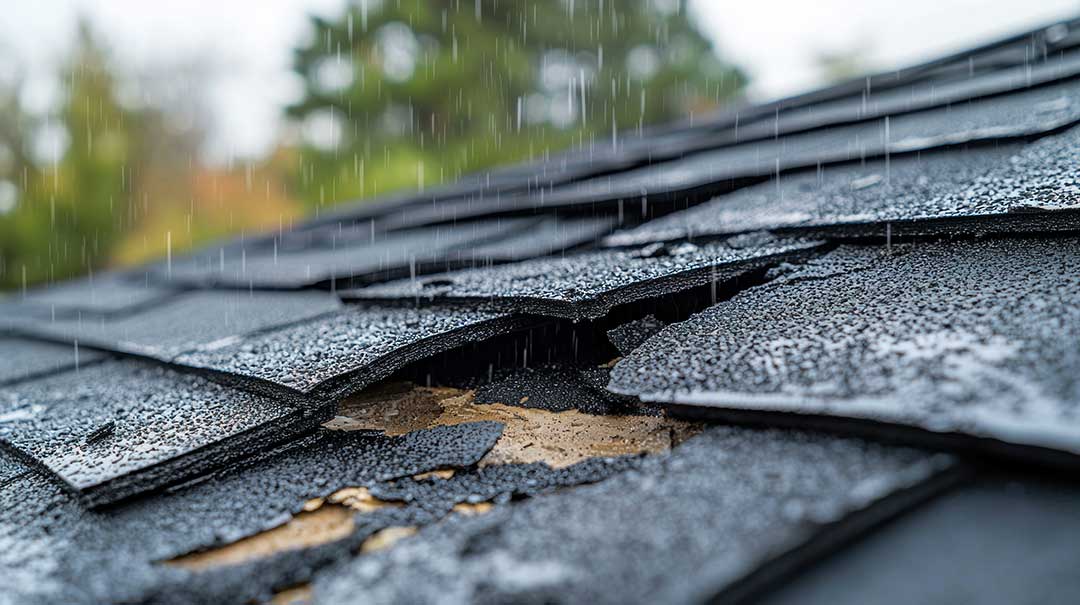
- Curling, Cracking, or Missing Shingles: In the Finger Lakes region, recurring snow and ice can cause shingles to wear out unevenly or curl at the edges, signaling the loss of weather protection.
- Granule Loss: After heavy storms or when cleaning gutters, finding excessive black grit (asphalt granules) is a red flag, since granules are essential for UV resistance.
- Moss, Algae, or Dark Streaks: Humidity and leafy surroundings foster moss and algae growth, which trap moisture and accelerate shingle decay.
- Brittle or Lightweight Shingles: If shingles break easily or feel noticeably thinner than newer materials, they’re often too worn to safeguard the underlying structure.
- Damaged or Rusty Flashing: The metal (or older cement) around chimneys and vents should be watertight. Rust, corrosion, or separation allow rain and melting snow to seep under your roof.
- Sagging Deck: A drooping appearance, especially between rafters, may signal moisture damage or rot within the roof’s support system.
How Long Should a Roof Last in This Area?
Roofs in Waterloo, NY rarely reach the high end of manufacturer warranties due to the local climate’s wear and tear. Asphalt shingle roofs, the most common type in this region, usually last 15–25 years. Factors that shorten lifespan locally include:
- Ice dam formation at eaves causing pools of water to sit and seep beneath shingles
- Regular freeze-thaw cycles forcing water into small gaps, then expanding them
- Wind-driven rain during spring storms, which can lift and loosen shingles already weakened by age
Metal and tile roofs, while more durable, also need replacement at some point and can still suffer from issues unique to humid, snow-prone regions, such as corrosion or broken tiles.
Are Small Leaks or Water Stains an Emergency?
A small ceiling stain or slow drip isn’t always urgent, but it shouldn’t be ignored. In many older homes, water travels along rafters before entering living spaces. What looks like a tiny stain could be evidence of a much larger problem above. Catching leaks early sometimes allows for repairs rather than full replacement, but repeated leaks or spreading stains typically signal that patching alone won’t solve the underlying issue.
Does the Roof Need Replacement After a Severe Storm?
After a heavy snow, hail, or windstorm—events common in the area—roof damage may not be apparent from the ground. Inspect for:
- New wet spots in the attic or on upper-story ceilings
- Strips of missing or twisted shingles visible from the yard
- Large amounts of shingle material in downspouts
Even roofs that survive one storm may have new vulnerabilities that lead to future leaks. If a roof is already near the end of its expected life, a severe weather event can be the deciding factor for replacement.
Is It Safe to Wait if Problems Are Minor?
Waiting rarely makes things better: even small defects can grow quickly in this climate, especially if the underlayment (waterproof layer) has failed. Water trapped under damaged shingles leads to rot, mold, and, in cold months, damaging ice build-up that pries up more material. Timely attention helps prevent escalating repair costs or hidden structural issues.
Can Re-Roofing or Repair Be Enough?
There’s a local tradition in some older houses of “re-roofing” (installing a new layer of shingles over the old). While this can be cost-effective for a single layer, it isn’t a long-term fix once the base roof or underlayment is compromised. Also, Waterloo’s regular heavy snow loads add weight to roofs, so building codes restrict how many layers are allowed. More than two shingle layers is rarely safe or legal.
Minor repairs may be effective if:
- The problem is isolated (such as a few missing shingles or minor flashing damage)
- The underlying roof deck is still solid
- The current roof is well under 20 years old
However, patching older roofs with widespread problems usually leads to repeating issues. Complete replacement is the best option when the roof’s overall structure is deteriorating.
What Are Some Overlooked Signs That It’s Time?
Some warning signs aren’t immediately obvious from outside:
- Peeling paint or swelling on interior walls, especially in upper floors
- Musty smells in attic spaces
- Light shining through attic boards during the day
- Unexplained drafts or poor attic insulation performance, as water intrusion reduces insulation effectiveness
These symptoms are easy to overlook but may point to failing roof decks or hidden leaks. Regular attic checks are recommended, especially after seasonal weather extremes.
When Does Replacement Become Necessary for Safety?
If the roof is sagging, widespread leaks lead to mold growth, or structural beams show visible rot, replacement is not just recommended—it’s required for safety. Mold and wood rot can quickly spread into living areas, and a sagging roof deck may eventually collapse under heavy snow loads.
In such situations, the risk to property and health outweighs the cost or inconvenience of waiting. City building codes also require that occupied homes meet basic weather-tightness, so prolonged major roof failure can result in violations.
