
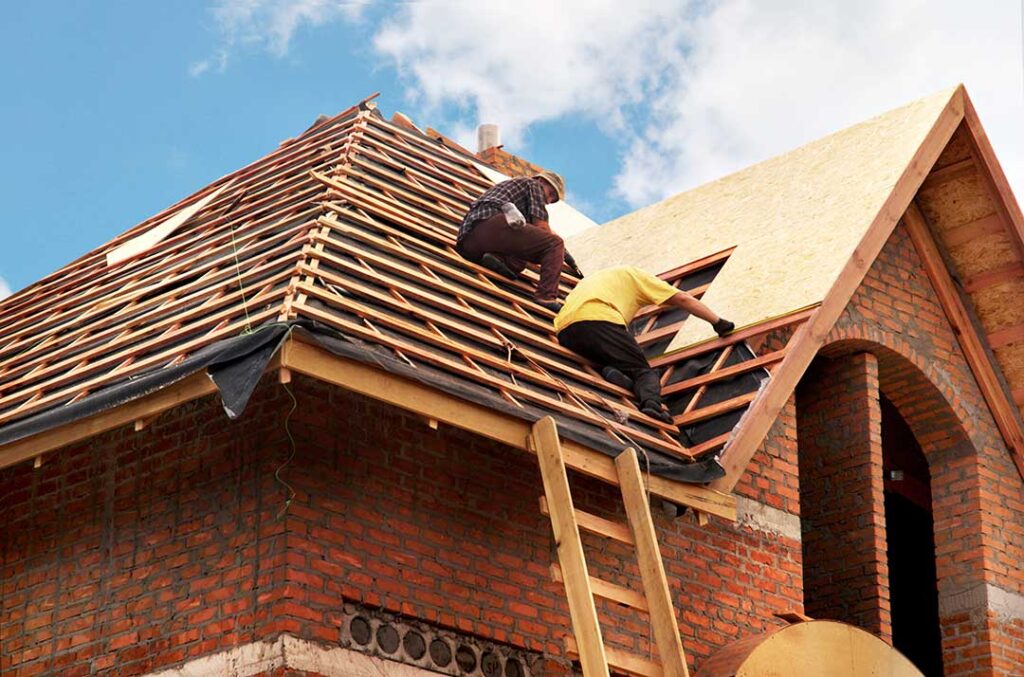
What should Waterloo, NY homeowners do before hurricane season?
The most useful roof preparation happens before a storm is forecast. Inspect the roof from the ground, clear drainage paths, secure loose outdoor items, and correct small defects before wind and heavy rain turn them into larger problems.
Although Waterloo is inland, tropical systems can still bring strong wind, prolonged rain, falling branches, power outages, and localized flooding. A roof does not need to experience coastal storm surge to suffer damage. Wind-driven rain can enter through loose shingles, open flashing joints, damaged vents, and clogged gutters.
Start with a safe roof inspection
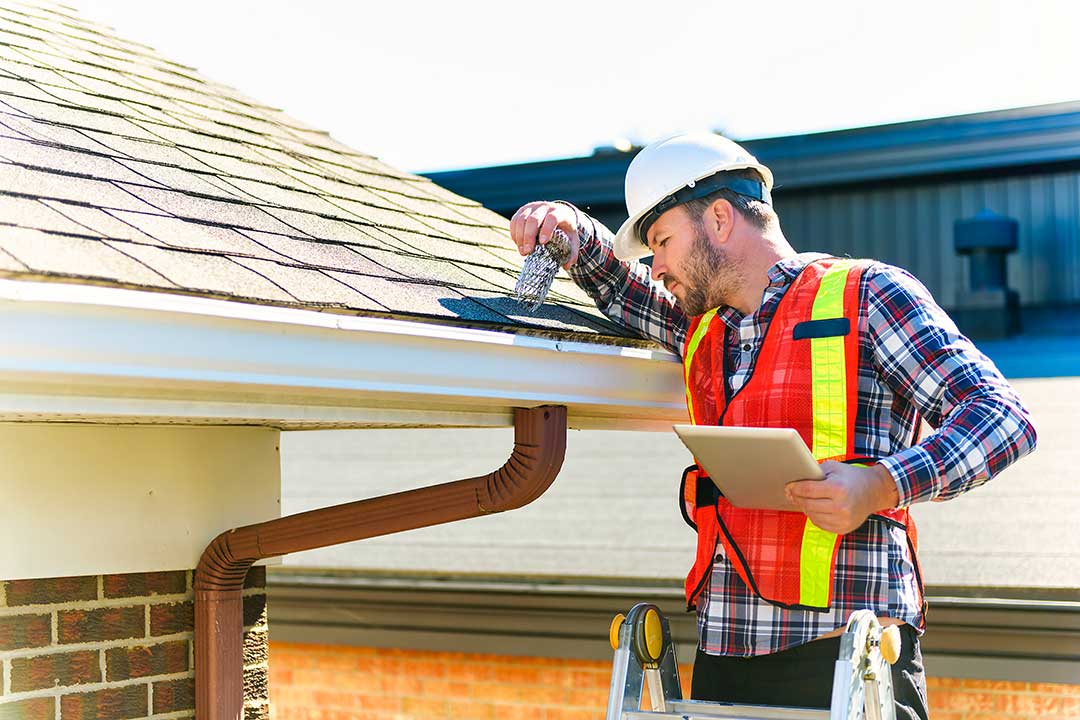
A ground-level inspection can reveal many warning signs without putting anyone on a ladder. Look for:
- Missing, lifted, curled, cracked, or visibly loose shingles
- Dark areas or sagging on the roof surface
- Exposed fasteners or roofing underlayment
- Loose metal flashing around chimneys, walls, skylights, and vents
- Damaged vent covers or pipe collars
- Branches resting on the roof or hanging over it
- Granules collecting heavily in gutters or at downspout outlets
Do not walk on a wet, steep, damaged, or visibly unstable roof. A roof inspection may require ladder access or close examination, but those conditions create fall and structural hazards. Safety guidance from New York State also emphasizes checking structural and landscaping hazards before severe weather arrives. ([dhses.ny.gov](https://www.dhses.ny.gov/hurricane-safety-tips?utm_source=openai))
Inside the attic, check for daylight through the roof deck, damp insulation, water stains, mold-like growth, or a musty smell. A stain does not always show directly below the leak because water can travel along rafters or roof decking.
Why gutters and downspouts matter during a hurricane
Clean gutters do not make a roof hurricane-proof, but they help move large volumes of rain away from the roof edge and foundation. New York State emergency guidance specifically recommends clearing loose material and clogs from gutters and downspouts before a storm. ([dhses.ny.gov](https://www.dhses.ny.gov/hurricane-safety-tips?utm_source=openai))
Check that:
- Gutters are firmly attached and not pulling away from the fascia
- Downspouts are connected at every joint
- Water can flow freely through the full downspout
- Extensions direct water away from the foundation
- Splashing or overflow is not eroding soil beside the house
- Leaves and debris are not blocking underground drain connections
Older homes, homes surrounded by mature trees, and properties with additions may have several separate roof drainage areas. Each gutter line and downspout should be checked rather than assuming one clear outlet protects the entire structure.
How can loose shingles and flashing be secured?
Small roof defects should be addressed before a storm watch or warning. High winds can lift an already loose shingle and expose the water-resistant layers beneath it. Once the protective surface is breached, wind-driven rain may enter quickly.
Pay special attention to roof edges, valleys, ridge caps, and areas around penetrations. These locations experience more complicated water flow and may be more vulnerable when sealants have failed or metal flashing has shifted.
Do not rely on roofing cement, tar, or improvised fasteners as a universal repair. The wrong material can trap moisture, damage shingles, or conceal a larger problem. Temporary measures may be appropriate in an emergency, but permanent repairs should match the existing roofing system and building conditions.
What should be done with trees and outdoor objects?
Loose objects can become airborne during strong wind and damage roofs, siding, windows, vehicles, or nearby homes. Before severe weather:
- Bring in patio furniture, hanging planters, toys, tools, and lightweight decorations
- Secure trash and recycling containers
- Store ladders and loose building materials indoors
- Remove dead branches near the roof
- Check branches that overhang the house, especially near dormers and upper roof sections
- Secure or relocate portable equipment that could strike the structure
Tree work becomes especially hazardous when branches are near power lines, already split, or suspended above a roof. Do not attempt to cut unstable limbs during high wind or after the storm has begun.
Should a roof be replaced before hurricane season?
Not necessarily. Age alone does not determine whether a roof can safely remain in service. A roof with sound shingles, secure flashing, effective drainage, and no active leaks may need only routine maintenance.
Replacement or major repair deserves closer consideration when the roof has widespread granule loss, repeated leaks, large areas of curling or missing shingles, sagging decking, deteriorated flashing, or a history of wind damage. A roof that appears acceptable from the ground may still have weakened decking or poor attachment beneath the surface.
The key question is whether the roof has enough remaining condition and secure attachment to resist wind and shed rain. That assessment may require a qualified inspection, particularly when the roof is steep, difficult to access, or visibly damaged.
What should homeowners check inside the house?
Roof preparation also includes protecting the interior and planning for a possible outage.
Before the storm:
- Photograph the roof, attic, ceilings, and major exterior features
- Record the date of the inspection and any existing damage
- Store important insurance and property records where they will remain accessible
- Move valuable items away from areas with previous leaks
- Keep buckets, plastic sheeting, towels, flashlights, and batteries available
- Know how to shut off electricity, water, and fuel systems if instructed
- Charge phones and backup batteries
Photographs taken before a storm can help distinguish pre-existing conditions from new damage. New York’s Department of Financial Services recommends documenting belongings and reviewing insurance coverage as part of storm preparation. Flood damage is often treated separately from standard homeowners’ coverage, so policy details should be reviewed before an emergency rather than after damage occurs. ([dfs.ny.gov](https://www.dfs.ny.gov/consumers/help_for_homeowners/storm_preparedness?utm_source=openai))
What should happen when a storm is approaching?
Do not climb onto the roof to make last-minute repairs once strong wind or heavy rain is developing. Finish outdoor preparation early, follow official alerts, and remain indoors when conditions become dangerous.
As the storm approaches:
- Secure or remove loose outdoor items
- Close windows and exterior doors
- Keep away from windows during strong wind
- Avoid using ladders in wet or gusty conditions
- Do not operate a generator indoors, in a garage, or near windows
- Follow evacuation or shelter instructions from emergency officials
A brief calm period does not necessarily mean the storm has ended. Wind direction and intensity can change again, and damaged trees, wires, and roof materials may remain dangerous.
What should be checked after the storm?
Wait until conditions are safe before inspecting the property. Look from the ground for missing roofing, displaced flashing, fallen branches, sagging ceilings, exposed wiring, and water entering the attic or living areas.
Do not enter an area with active electrical hazards or a visibly damaged roof structure. If water is entering near electrical equipment, avoid the area and follow emergency instructions. Covering a small opening from the ground may limit additional damage, but climbing onto a damaged roof can create more risk.
Record damage with photographs before moving debris, except where immediate action is necessary to protect people or prevent additional property damage. Keep receipts for emergency materials and document temporary repairs. Promptly reporting serious damage according to the insurance policy can help preserve an accurate record of the event.
For households in Waterloo, practical hurricane preparation is mostly ordinary roof maintenance done early: clear the drainage system, address loose materials, manage nearby trees, document the home’s condition, and know when roof access is unsafe. Those steps also help with the wind and heavy rain produced by remnants of tropical systems and other severe storms.
